

From CU Denver to Germany: When an Idea Born on Campus Becomes a Global Solution
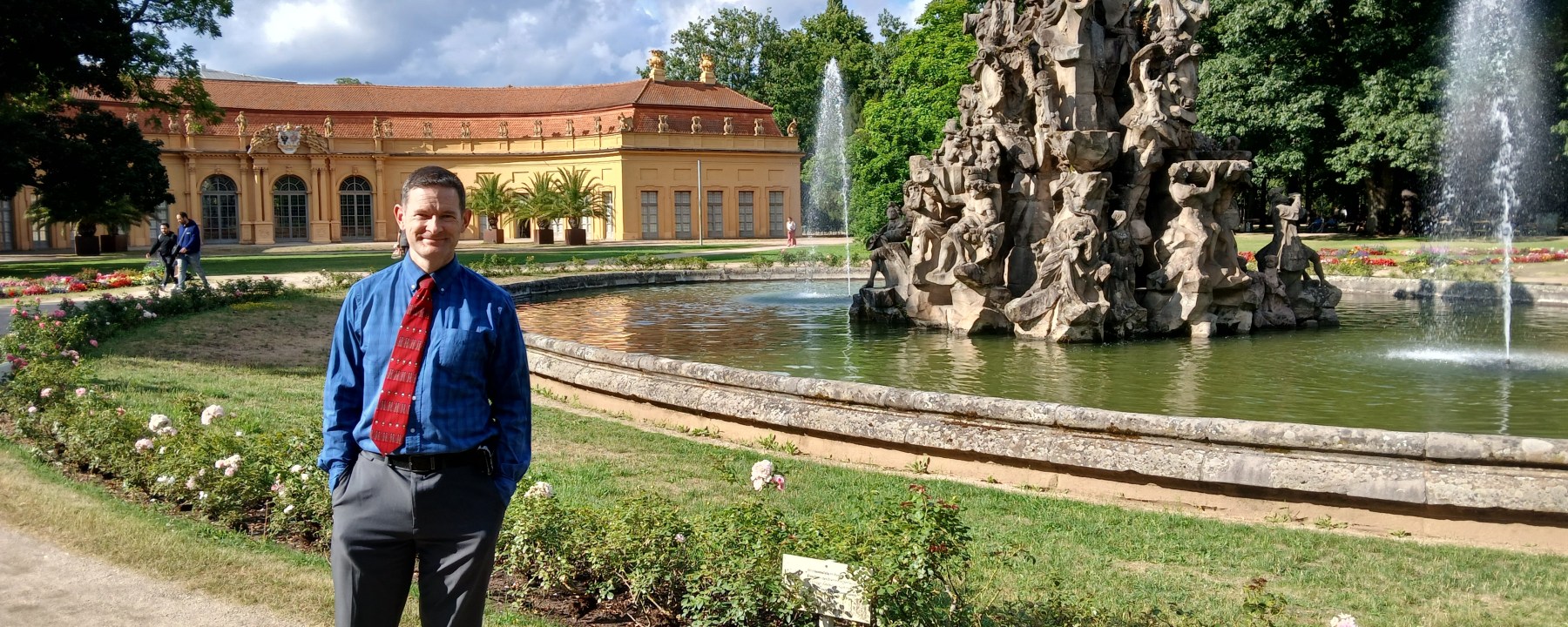
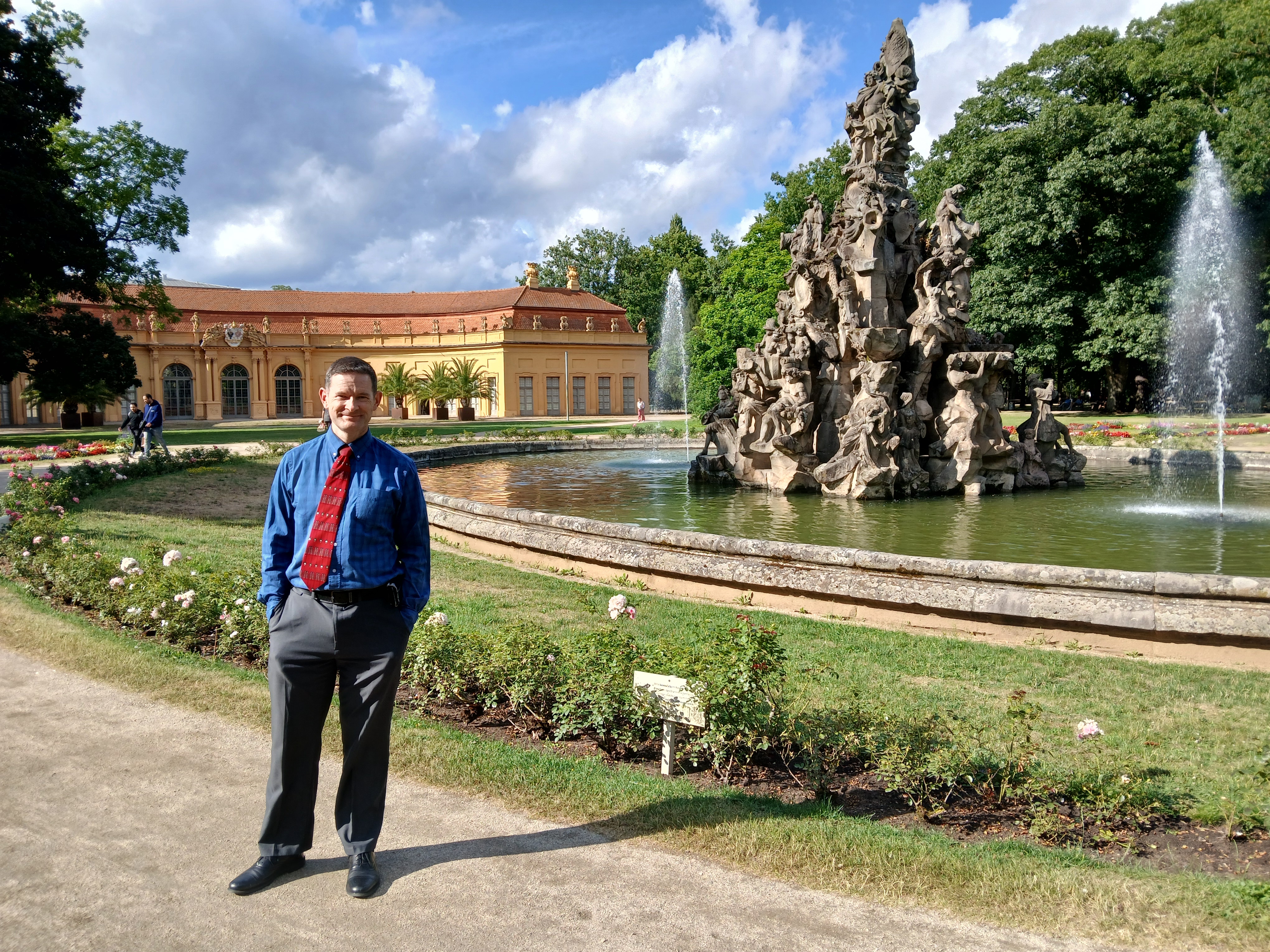
In July 2025, CU Denver civil engineering associate professor Dr. David Mays stood in a research lab at Friedrich Alexander University (FAU) in Bavaria, Germany. He was presenting a seminar titled “Chaotic Advection in Porous Media: Dimensionality, Scaling, and Engineering,” a deep dive into how mathematical insights from complex systems science are transforming groundwater remediation.
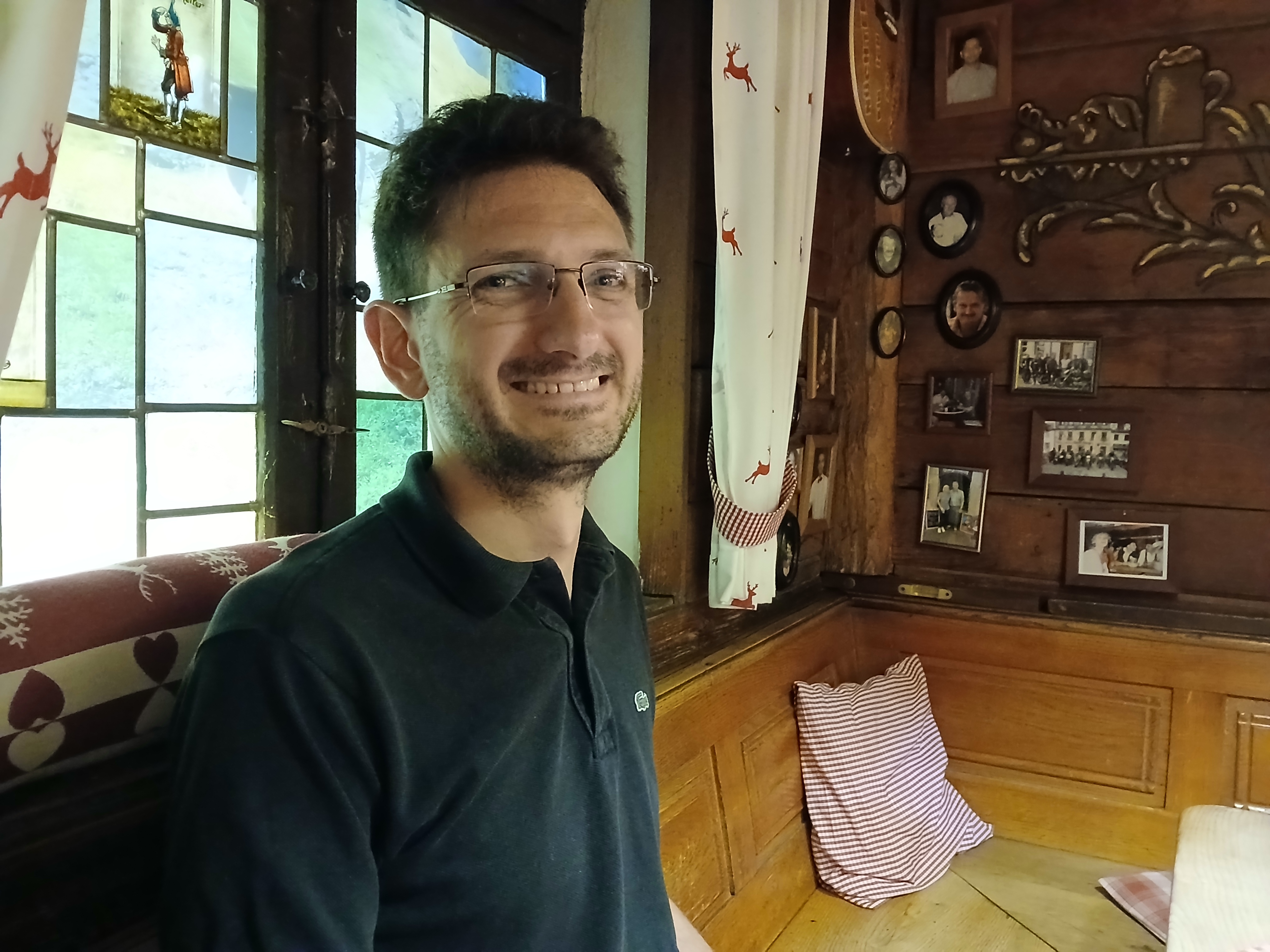
Hosted by FAU professor Gabriele Chiogna, the seminar brought together leading voices in environmental engineering from Colorado, Bavaria, and beyond. For Dr. Mays, it wasn’t just an academic talk; it was a moment of full-circle impact.
A method first developed over a decade ago at CU Denver was now being put into practice halfway across the world.
A Campus Innovation That Crossed Continents
In collaboration with Dr. Roseanna Neupauer of CU Boulder, Dr. Mays was among the first to explore how deterministic chaos, the science of seemingly random but mathematically predictable systems, could be applied to groundwater cleanup.
“About 10–15 years ago, our group in Colorado was among the first to show how clever sequences of injections and extractions through wells installed around contaminated groundwater plumes could permit a new strategy for delivering treatment amendments for decontamination,” says Mays.
The concept sounds technical, but the outcome is clear: cleaner water, faster. By using the natural chaos of subsurface flows to “stretch and fold” pollution plumes like dough, engineers can mix and deliver treatment chemicals more effectively, reaching deep areas of contamination that traditional methods miss.
This work, originally funded by two NSF awards from the Hydrologic Sciences program, laid the foundation for what is now a globally relevant technique.
“It was fantastic to visit a state-of-the-art environmental laboratory, eight time zones away, where they were implementing the exact pumping scheme we published in Mays and Neupauer (2012),” Mays says. “I am enormously grateful for this profound compliment.”
From Theory to Practice On a Global Scale
What began as a research question in CU Denver laboratories is now shaping international strategies for groundwater remediation. This journey, fueled by support from both the NSF in the United States and the DFG in Germany, shows how engineering research at CU Denver doesn’t just stay on paper. It leaves the lab, enters the world, and starts solving real problems.
Today, the same pumping schemes first tested in Colorado are being used in Bavaria’s top environmental research labs. That’s not just impressive—it’s a powerful example of how ideas developed in university research can become tools used by engineers across the globe.
What It Means for Students
At CU Denver, you don’t just learn about the world, you help change it. By working alongside faculty who are shaping their fields and presenting groundbreaking work on international stages, you become part of something bigger than a classroom.
Whether you’re analyzing data, designing experiments or testing solutions in the lab, your contributions matter. The work you do today could be the foundation for technologies used across the globe tomorrow. This is where engineering meets impact — and where your journey into research can begin.
Dive into the College of Engineering, Design, and Computing’s research and see how you can contribute to the discoveries shaping tomorrow.
Discover more from College of Engineering, Design and Computing News
Subscribe to get the latest posts sent to your email.

CU Denver Engineering, Design and Computing View All
At the CU Denver College of Engineering, Design and Computing, we focus on providing our students with a comprehensive engineering education at the undergraduate, graduate and professional level. Faculty conduct research that spans our five disciplines of civil, electrical and mechanical engineering, bioengineering, and computer science and engineering. The college collaborates with industry from around the state; our laboratories and research opportunities give students the hands-on experience they need to excel in the professional world.
 College of Engineering, Design and Computing News